
acid etched glass suppliers
The Snap-On Dial Indicator Precision Measurement in Engineering In the realm of engineering and manufacturing, precision is not just a luxury; it is a necessity. Accurate measurements can mean the difference between a successful project and costly errors. One tool that has become synonymous with precision measurement is the Snap-On dial indicator. This remarkable instrument has a long-standing reputation for reliability and accuracy, making it a staple in workshops and manufacturing facilities worldwide. Understanding the Dial Indicator A dial indicator, often referred to as a dial gauge, is a measuring instrument used to measure small distances or the variations in surfaces. It consists of a display dial with a needle that indicates measurements, a probe that contacts the object being measured, and a body that supports these components. Snap-On, a leader in high-quality automotive and industrial tools, has perfected the design and functionality of the dial indicator. The Snap-On dial indicator features a crystal-clear face that presents measurements in an easily readable format. Most models use either metric or imperial units, depending on the user’s preference. The device is designed for ease of use; it often includes a zero-setting feature that allows the operator to calibrate the tool quickly before use, ensuring precise readings. Applications in Engineering The applications of Snap-On dial indicators are vast and varied. In manufacturing, they are commonly used to inspect parts for accuracy and alignment. Whether checking the flatness of a surface, measuring the depth of a bore, or ensuring that component parts fit together snugly, the dial indicator provides accurate, repeatable results. In automotive applications, the Snap-On dial indicator plays a critical role in engine rebuilding and alignment tasks. Technicians use the dial indicator to check for runout on brake rotors and wheels, ensuring that all parts are functioning optimally and safely. Misalignments can lead to mechanical failures or unsafe driving conditions; hence, the precision offered by this tool is invaluable. snap on dial indicator Durability and Reliability One of the standout features of Snap-On tools, including their dial indicators, is their durability. Made from high-quality materials, these instruments are designed to withstand the rigors of daily use in industrial environments. The robust construction ensures that they remain accurate over long periods, making them a wise investment for professionals who require tools they can trust. Moreover, Snap-On offers a range of models to cater to different needs. From standard dial indicators to those with advanced features like digital readouts, users can find a model that fits their specific requirements. This adaptability makes Snap-On dial indicators suitable for both professional and DIY users. Calibration and Maintenance To maintain the accuracy of a Snap-On dial indicator, routine calibration is essential. Regular checks should be made to ensure that the tool is zeroed correctly. Cleaning the indicator after use, particularly the contact point, will prevent dirt and debris from affecting the readings. Snap-On provides detailed user manuals that include maintenance guidelines, which are critical for keeping the tool in top condition. Conclusion The Snap-On dial indicator stands as a testament to the importance of precision in engineering and manufacturing. Its combination of ease of use, durability, and accuracy has solidified its position among the essential tools for professionals across various fields. Whether you are a seasoned engineer or a hobbyist, investing in a Snap-On dial indicator can enhance your ability to achieve precise measurements, ensuring that your projects meet the highest standards of quality. In an age where every millimeter can count, the Snap-On dial indicator is more than just a measuring tool – it is a partner in precision engineering.
about
acid etched glass suppliers
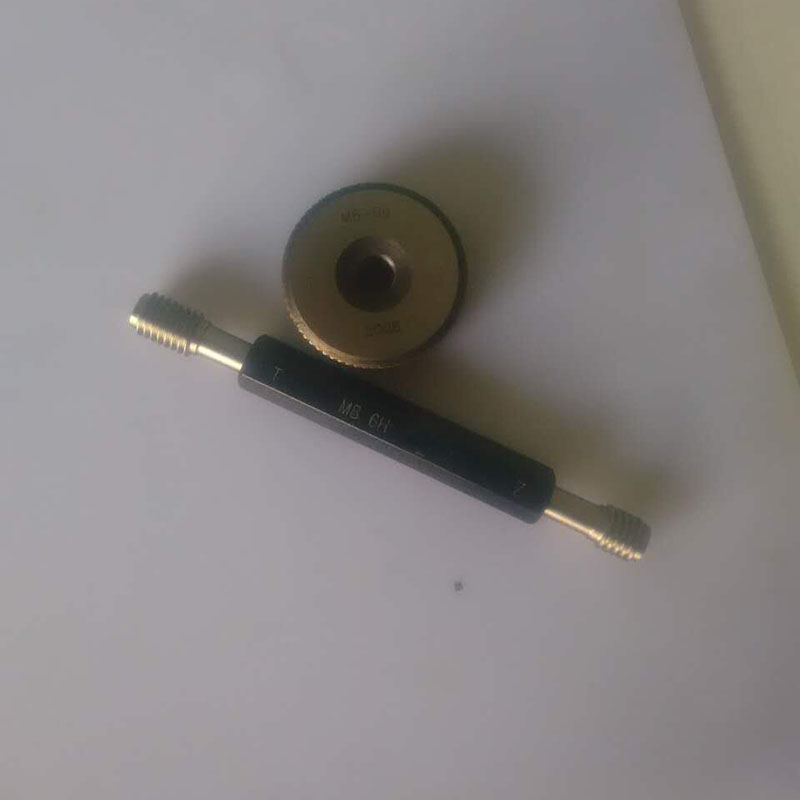
Understanding Snap Gauge Types A Comprehensive Guide Snap gauges, also known as snap gages or snap gauges, are essential precision measuring tools widely used in manufacturing and engineering sectors. These tools are specifically designed to measure the dimensions of an object, predominantly its external or internal features, such as diameter, width, height, and thickness. Understanding the different types of snap gauges is crucial for anyone involved in quality control, machining, or assembly processes. 1. Types of Snap Gauges There are several types of snap gauges, each tailored for specific measurement requirements - External Snap Gauges These are commonly used to measure the external dimensions of a component. They consist of two arms that snap around the object, providing a quick and accurate reading. External snap gauges are excellent for checking features like outer diameters and widths in production lines, where time and precision are paramount. - Internal Snap Gauges Unlike external snap gauges, internal snap gauges are designed to measure the internal dimensions of holes or bores. They feature a pair of arms that expand inward, allowing measurement of internal features like diameters and depths. Internal snap gauges are crucial in applications where the internal geometry of a part needs verification. - Gap Gauges These tools are specific snap gauges used for measuring the gaps or spaces between two components. They are particularly useful in industries where clearance is critical, such as automotive or aerospace. - Multi-Function Snap Gauges As the name suggests, these gauges can perform multiple measurement tasks, making them versatile tools in various applications. They often combine features to measure both internal and external dimensions, reducing the need for multiple tools. 2. Material and Design snap gauge types Snap gauges come in various materials, including steel, stainless steel, and specialized alloys, depending on their intended use. The design of snap gauges typically incorporates a handle for easy operation and a measurement scale for direct reading. More advanced digital snap gauges have been developed, offering electronic readouts and enhanced functionality, thus improving the accuracy and convenience of measurements. 3. Calibration and Accuracy Accuracy is a crucial aspect of snap gauges. Manufacturers must calibrate these tools regularly to maintain their precision. Calibration involves adjusting the gauge against a known standard to ensure that measurements remain consistent and reliable. Regular maintenance and calibration minimize measurement errors and enhance the overall quality of the measured components. 4. Applications of Snap Gauges Snap gauges are ubiquitous in manufacturing environments, particularly in quality control processes. They are commonly employed in industries such as automotive, aerospace, electronics, and metalworking. Their primary role is to ensure that components meet specified dimensions, thereby reducing waste and ensuring product reliability. In addition to manufacturing, snap gauges find applications in research and development. Engineers and scientists use them to measure prototypes and experimental designs, ensuring that their experiments yield accurate and reproducible results. 5. Conclusion In conclusion, snap gauges play a vital role in precision measurement across various industries. Understanding the different types—external, internal, gap, and multi-function snap gauges—equips professionals with the knowledge necessary to select the right tool for specific measurement tasks. Regular calibration and maintenance are essential for ensuring measurement accuracy. Overall, snap gauges are indispensable in maintaining quality standards and enhancing manufacturing processes, making them a critical component in the pursuit of technical excellence.
-

High quality industrial productsagement

High quality industrial products
View Details -

Meet the diverse needs of customers

Meet the diverse needs of customers
View Details -

Strict quality control

Strict quality control
View Details -

Top raw materials

Top raw materials
View Details -

Trusted supplier

Trusted supplier
View Details
Our application


news and information

Versatile Large Metal Strainer for Efficient Kitchen Tasks and Food Preparation Needs
The Benefits and Versatility of Large Metal Strainers In the culinary world, the tools we use can si
Welding and Fabrication Techniques for Enhanced Structural Integrity and Performance
Understanding the Welding Fabrication Table A Key Tool for Metalworking In the realm of metalworking

Válvula de agua 1 y 2 para sistemas hidráulicos eficientes y de bajo consumo
La Importancia de la Válvula de Agua 1-2 en los Sistemas Hidráulicos En el ámbito de la ingeniería h
 English